

By Mojca Nastran & Luka Jemec (Biotechnical Faculty, University of Ljubljana, Slovenia)
Triglav National Park in Slovenia is currently navigating a complex conflict between the return of large carnivores and the survival of traditional mountain farming. As wolves re-establish themselves in crucial ecological corridors, the centuries-old practice of high-altitude pastoralism is facing unprecedented pressure. Farmers describe the physical and economic impossibility of protecting herds in steep, remote terrain, where traditional fences and guarding dogs often prove insufficient. These challenges are driving an accelerating abandonment of alpine pastures, leading to the gradual loss of species-rich grasslands and unique cultural landscapes. Through direct testimonies from local farmers, this post examines the heavy toll that wildlife conservation can take on rural livelihoods and heritage. It ultimately highlights the urgent need to balance biodiversity goals with the preservation of Slovenia’s irreplaceable alpine traditions.
Triglav National Park, Slovenia’s only national park, covers 840 km² across the central Julian Alps, extending to the Italian border and close to Austria. As an area of exceptional biodiversity, Triglav National Park represents a unique mosaic of natural and cultural landscapes shaped by centuries of traditional land use, particularly pastoralism.
This coexistence of humans and nature is becoming increasingly difficult as large carnivores return to the area of the Slovenia national park. Their long‑term survival depends on connected habitats that allow them to move, disperse, and maintain genetic diversity. Triglav National Park lies within an ecological corridor that links the Dinaric–Balkan region with the Italian Alps and continues toward Hohe Tauern National Park in Austria. This corridor is crucial for maintaining ecological connectivity across transboundary alpine areas.
Large Carnivores Returning to the Alps: What Has Changed?
For much of the 20th century, the brown bear (Ursus arctos) was the only large carnivore present in Triglav National Park, and it caused only occasional, usually minor damage to grazing livestock or beehives. In recent years, however, the situation in the Alpine region has changed considerably. Through the LIFE Lynx project, the Eurasian lynx (Lynx lynx) has been reintroduced both to the Dinaric Mountains and to the Alpine region, improving the long-term genetic viability of the species in Slovenia. Lynx are now regularly observed in Triglav National Park (LIFE Lynx 2025).
The most profound change for local pastoral systems, however, came in 2019 with the first confirmed wolf (Canis lupus) packs in the Slovenian Alps. The establishment of a permanent wolf presence has significantly increased pressure on traditional grazing practices and is today the main source of conflict between wildlife conservation and mountain farming. Although the conservation status of wolves in Slovenia is favourable, their long-term viability relies on maintaining connectivity between Dinaric and Alpine populations.
Traditional alpine pastoralism in Slovenia evolved in an environment where large carnivores were absent or posed only minimal pressure. Under such conditions, free‑grazing herds with occasional supervision worked well and formed the basis of the cultural landscapes that define the Slovenian Alps. The return of wolves has fundamentally changed this dynamic. High‑mountain pastures lack the infrastructure, accessibility, and labour capacity needed for intensive protective measures, making adaptation extremely difficult and, in many cases, practically impossible. While the concept of coexistence is often used in conservation discourse, it becomes far more complex in the Alpine environment, where steep terrain, long distances, and extensive grazing systems leave farmers with very limited options for effective protection.
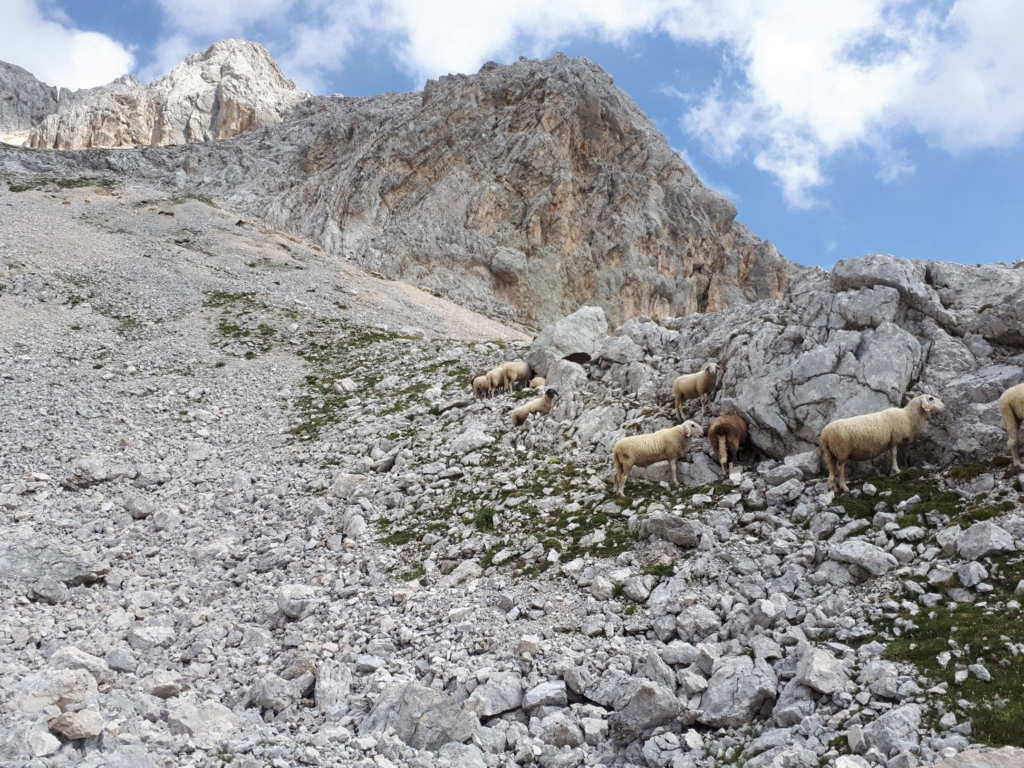
As a result, many farmers face a situation where continuing traditional grazing under these new conditions is no longer feasible, contributing to the accelerating abandonment of Alpine pastures.
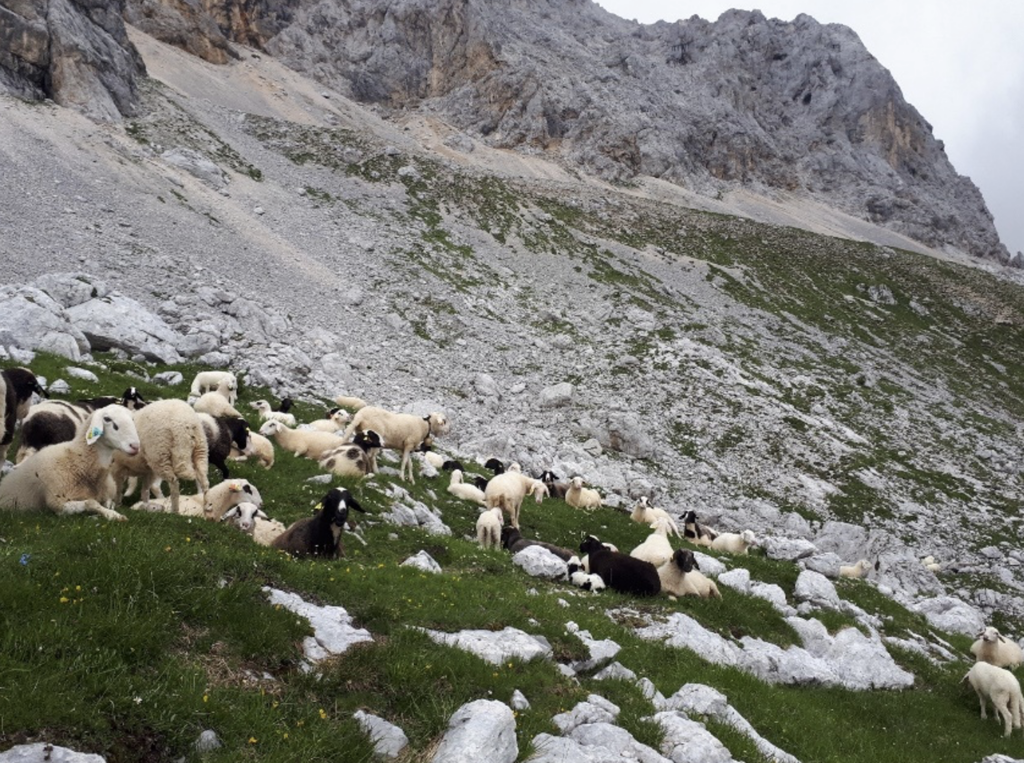
Cultural Landscape Under Pressure: Why Are Alpine Pastures Disappearing?
High‑mountain pastures form one of Slovenia’s most distinctive cultural landscapes. Shaped by centuries of seasonal livestock movement, these open, species‑rich grasslands depend entirely on continuous grazing. When livestock disappear, ecological succession begins almost immediately: grasslands first turn into shrubland and later into forest. Although the process is gradual, the effects become increasingly visible over the course of decades.
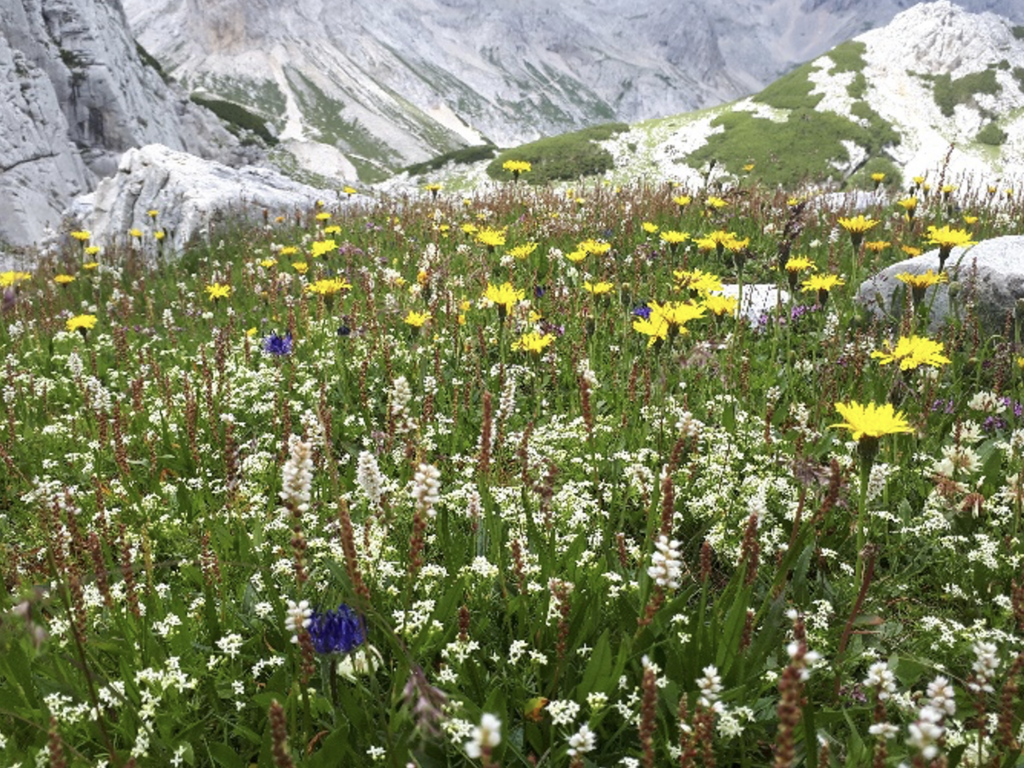
Long‑term analyses of land‑use change in a selected group of mountain pastures within Triglav National Park illustrate this trend clearly. Compared to 1825, the extent of agricultural land in these pastures had already declined by 26.3% by 1956, by 48.3% by 2002, and by almost half by 2024. Although the trend has slowed in recent years, increasing abandonment of mountain pastures suggests overgrowth will continue in the coming decades.
Why are farmers abandoning mountain pastures?
Experiences shared by farmers from different parts of the Slovenian Alps show how strongly the return of large carnivores is reshaping everyday pastoral work. Many describe a constant struggle to keep livestock safe. Electric nets, night paddocks, and livestock‑guarding dogs demand time, physical effort, and financial investment far beyond what small mountain farms can sustain. When losses occur, sometimes repeatedly, the emotional impact can be just as heavy as the economic one, especially for families with generations of breeding knowledge and long‑maintained pastures.
These testimonies also highlight a growing uncertainty about the future of mountain farming. Reduced fodder production, shrinking herds, long daily travel times, and increasing safety concerns related to working dogs add layers of complexity that are difficult to manage in steep, remote Alpine landscapes. For many, the combined environmental, economic, and social pressures make it increasingly hard to maintain traditional grazing systems. Their voices offer an unfiltered insight into this reality.
Voices from the Mountains: Experiences of Local Farmers
As a part of the MARGISTAR COST Action, we conducted a study in mountainous areas on the issues surrounding the abandonment of pastoralism. This research took place in the Triglav National Park and was based on interviews conducted with farmers who practice mountain grazing or have recently abandoned it. Below are some extracts on the subject of large carnivores.
One farmer describes how he was forced to give up mountain grazing due to the inability to coexist with predators. Instead, he now grazes his sheep in the valley, protected by an electric fence. He explains that the workload is significantly greater and that predator attacks also cause indirect damage:
“The recent proliferation of carnivores, especially wolves, means that we need to pay more and more attention to animal protection. As a result, more and more animals are grazing in high electric nets, which are heavy, stumpy to set up and very expensive. This takes a huge amount of time. On the other hand, this protection is not possible everywhere, which is why we have abandoned the mountain pastures. The wolves have slaughtered a good part of our herd and we have lost several generations of selection work.”
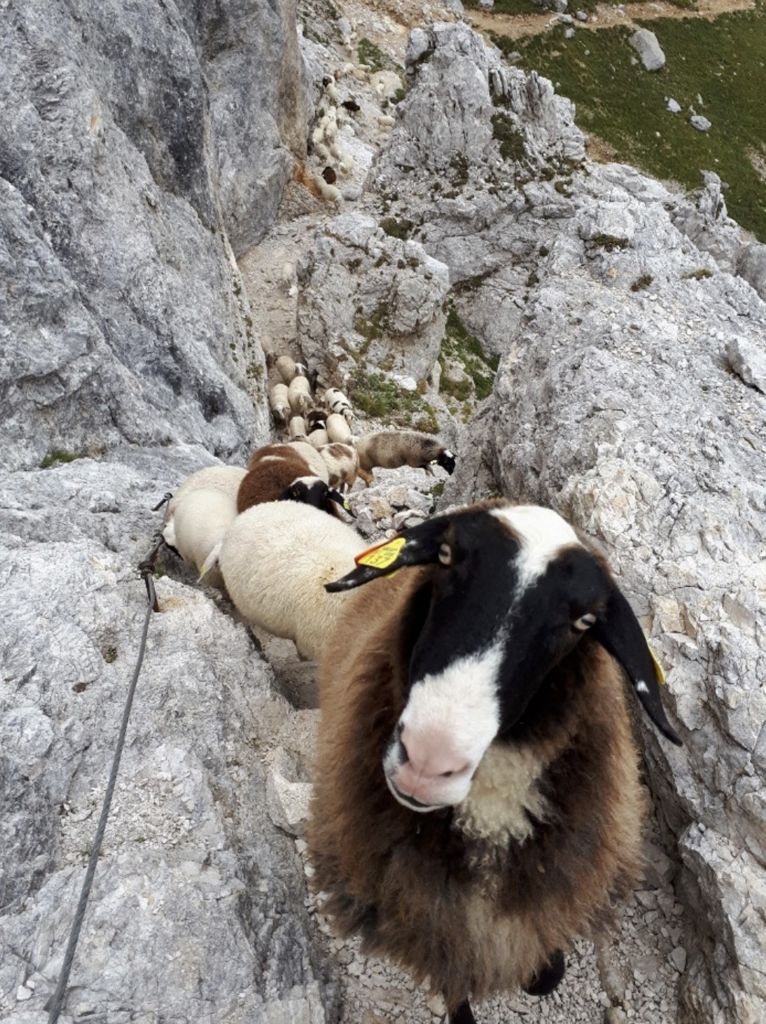
It is not possible to set up electric fences on mountain pastures
Another farmer points out that he was forced to reduce his flock because he does not have enough feed for the winter:
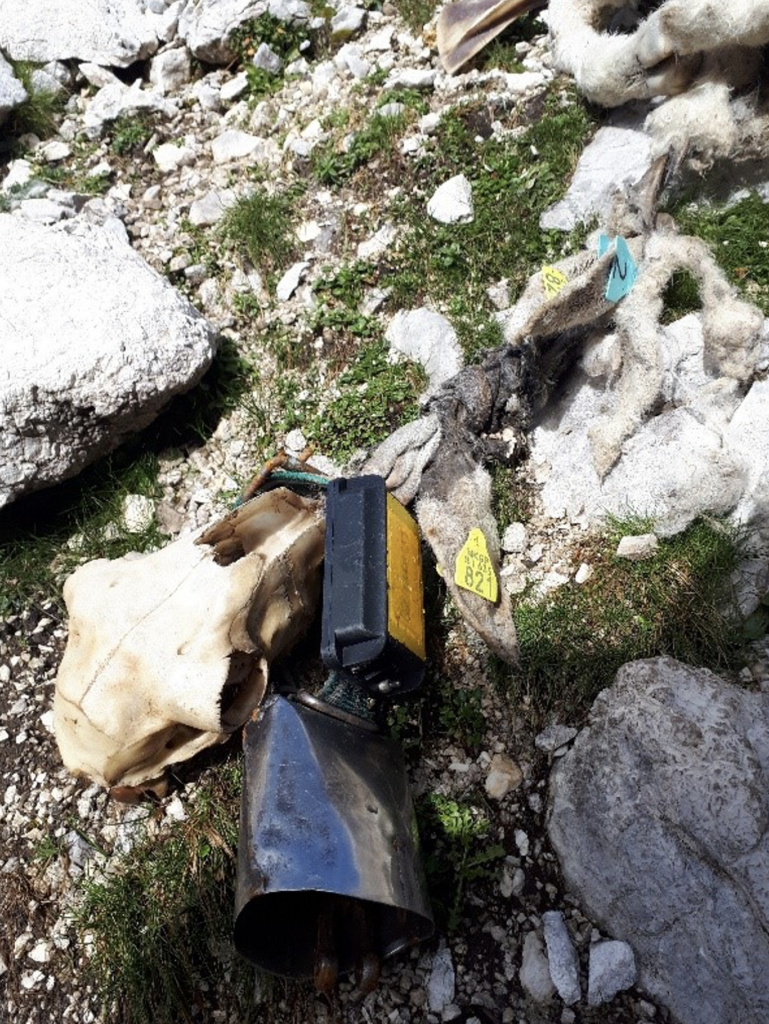
“Due to the arrival of the wolves in our region, we are forced to let the sheep graze on meadows that were previously used for fodder… As the sheep graze on meadows that were previously used for fodder production, we are forced to reduce the number of animals (both cows and sheep) as less fodder is produced. As long as the wolves remain in the area, we will not send the sheep to the mountain, because five years ago we had a 50% loss of sheep due to a wolf attack.”
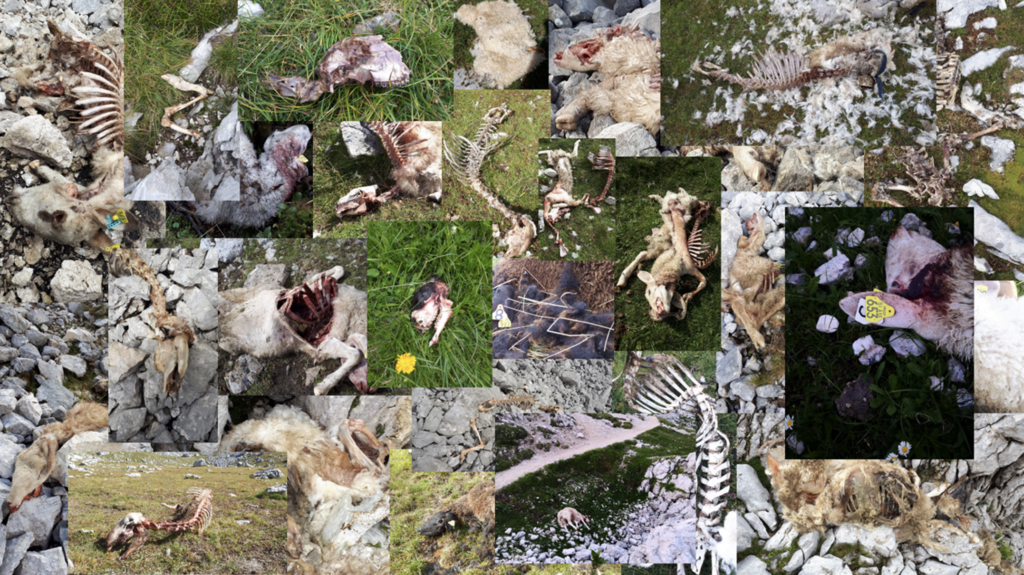
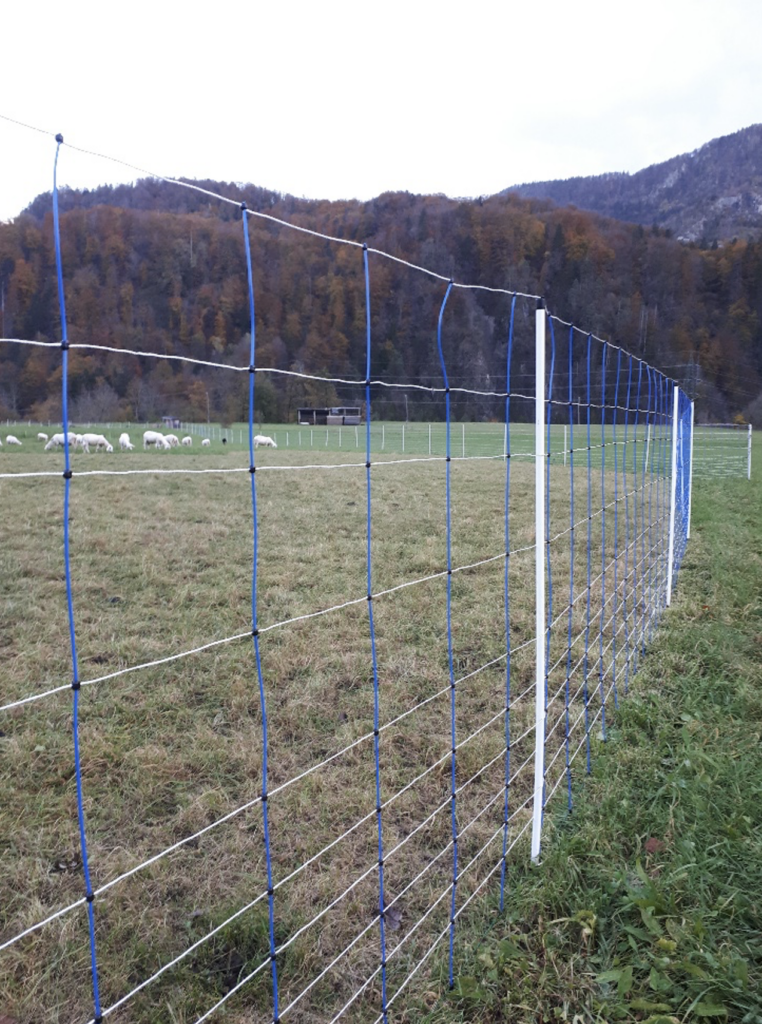
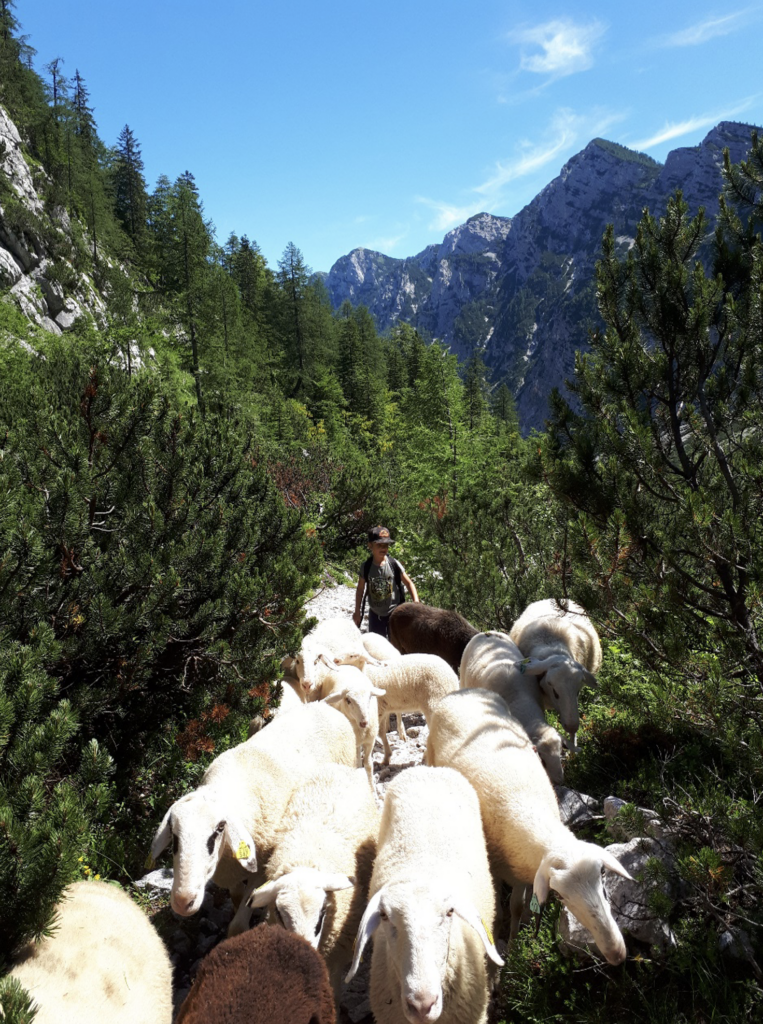
On some pastures that are more accessible, farmers use shepherd dogs for protection. But even these aren’t entirely reliable, and at the same time, they can be deadly to hikers as well. A desperate farmer sees no solution:
“I have experienced wolf attacks on my sheep even though I have aggressive shepherd dogs. I am constantly worried that they will attack a hiker because people just push into the pasture despite signs, bans or warnings. That is not a solution. We can’t just put up electric fences everywhere. The mere fact that we drive to the mountain pasture twice a day costs a lot of time and money. The dogs eat huge amounts of meat and the price of dog food has doubled in recent years. That is simply unsustainable. They are ruining everything with this predatory policy. I’ve tried so hard to find solutions and when it comes to an attack, it’s devastating. In summer, the sheep only graze at night. So locking them up at night to protect them from wolves makes no sense.”
Towards Solutions: Which Options Are Being Explored?
Natura 2000 and the EU Biodiversity Strategy for 2030 emphasise the importance of restoring natural ecosystems and supporting sustainable agriculture in mountain regions. Strengthening the economic dimension of mountain farming as well as recognising it as a strategic sector is essential if biodiversity and cultural landscapes are to be preserved.
Several forms of support are currently available to help farmers protect their livestock, including financial assistance for purchasing electric fencing, GPS collars, livestock‑guarding dogs, and other protective equipment. While these measures offer important short‑term relief, they do not address the core difficulty of working in steep, remote, and hard‑to‑access alpine terrain. On many high‑mountain pastures, such measures are simply not feasible due to long distances, limited water, and electricity supply, and the extensive nature of traditional grazing systems. As a result, they cannot fully prevent the continued abandonment of some pastures.
A Conflict of Priorities: Nature Protection vs. Cultural Heritage
Moving forward will require a clear and transparent societal decision about which goals should take priority in specific parts of the landscape and under which conditions it is still possible to maintain the other. In areas where ecological connectivity for large carnivores is prioritised, the long‑term disappearance of active pastoralism may be unavoidable. Conversely, if the preservation of open cultural landscapes is considered a key objective, then targeted support, adapted management strategies, and long‑term financial stability for mountain farms will be essential. Only by defining realistic expectations for both conservation and agriculture can sustainable land‑use strategies be designed for the future of Triglav National Park.
Read and learn more information about the above here.
Banner image: Indigenous breed sheep on a high-altitude pasture equipped with a tracking device.