

Prof. Andrej Ficko (University of Ljubljana, Biotechnical Faculty)
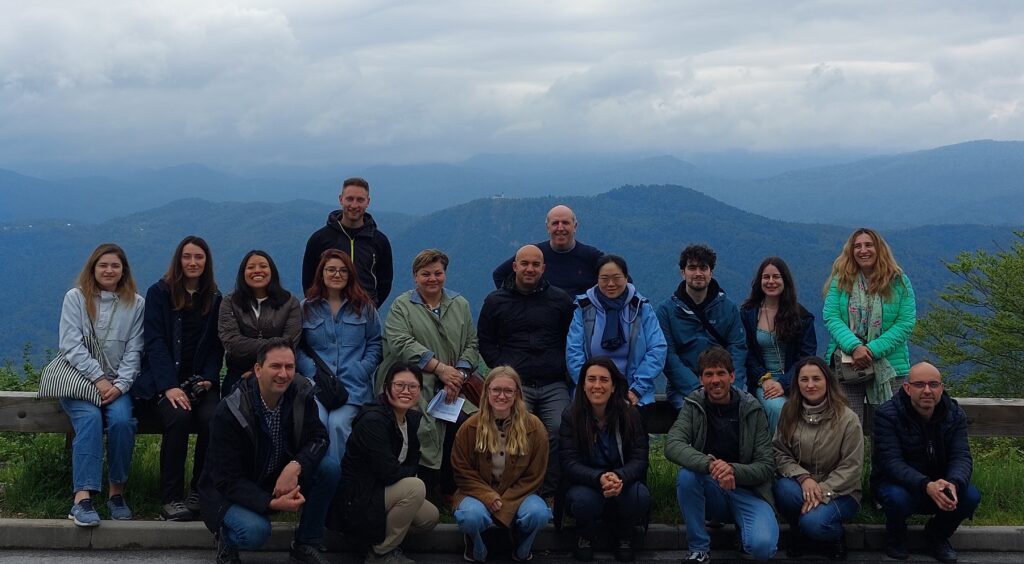
From 7–9 May 2025, Prof. Andrej Ficko from University of Ljubljana, Biotechnical Faculty, hosted the international Training School “Shaping Tomorrow: tools for futures thinking & group decision-making”, organised as part of the MARGISTAR COST Action. The event brought together participants from 14 countries to explore practical methods and tools for futures thinking and sustainable decision-making.
The Training School’s three-day program combined lectures, hands-on workshops, and a field excursion, providing participants with valuable insights into scenario development, driver and uncertainty mapping, multicriteria decision-making, and GIS-based spatial analysis.
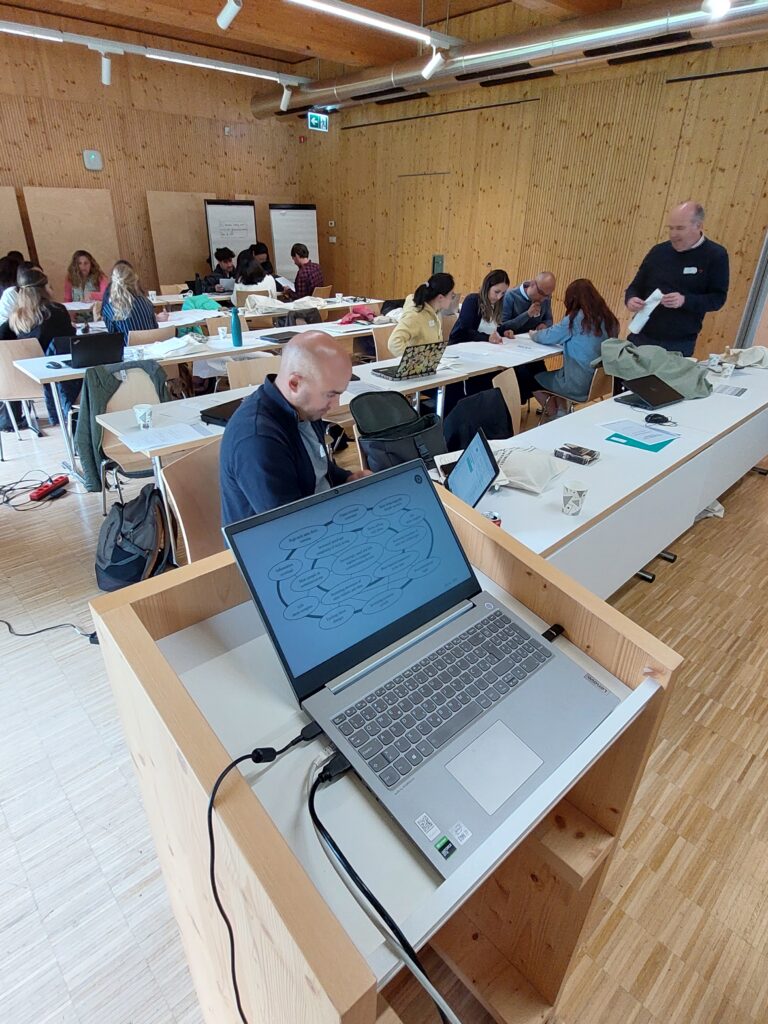
The Training School opened with a welcome address by Prof. Andrej Ficko, followed by a keynote lecture by Prof. Theo Lynn (Dublin City University Business School). Participants were introduced to the history, mindsets, skills, and methodologies of futures thinking and engaged in practical exercises, including the Futures Wheel, Driver Mapping, and Seven Questions approaches.
On the second day, Prof. Petra Grošelj led a workshop on Multicriteria Decision-Making (MCDM), demonstrating how different alternatives can be evaluated and how group decision-making can be effectively conducted. In the afternoon, Dr. Antonio Monteiro (University of Lisbon) presented advanced GIS tools for spatial analysis, illustrating how these methods can support scenario analysis and improve understanding of future challenges in natural resource management.
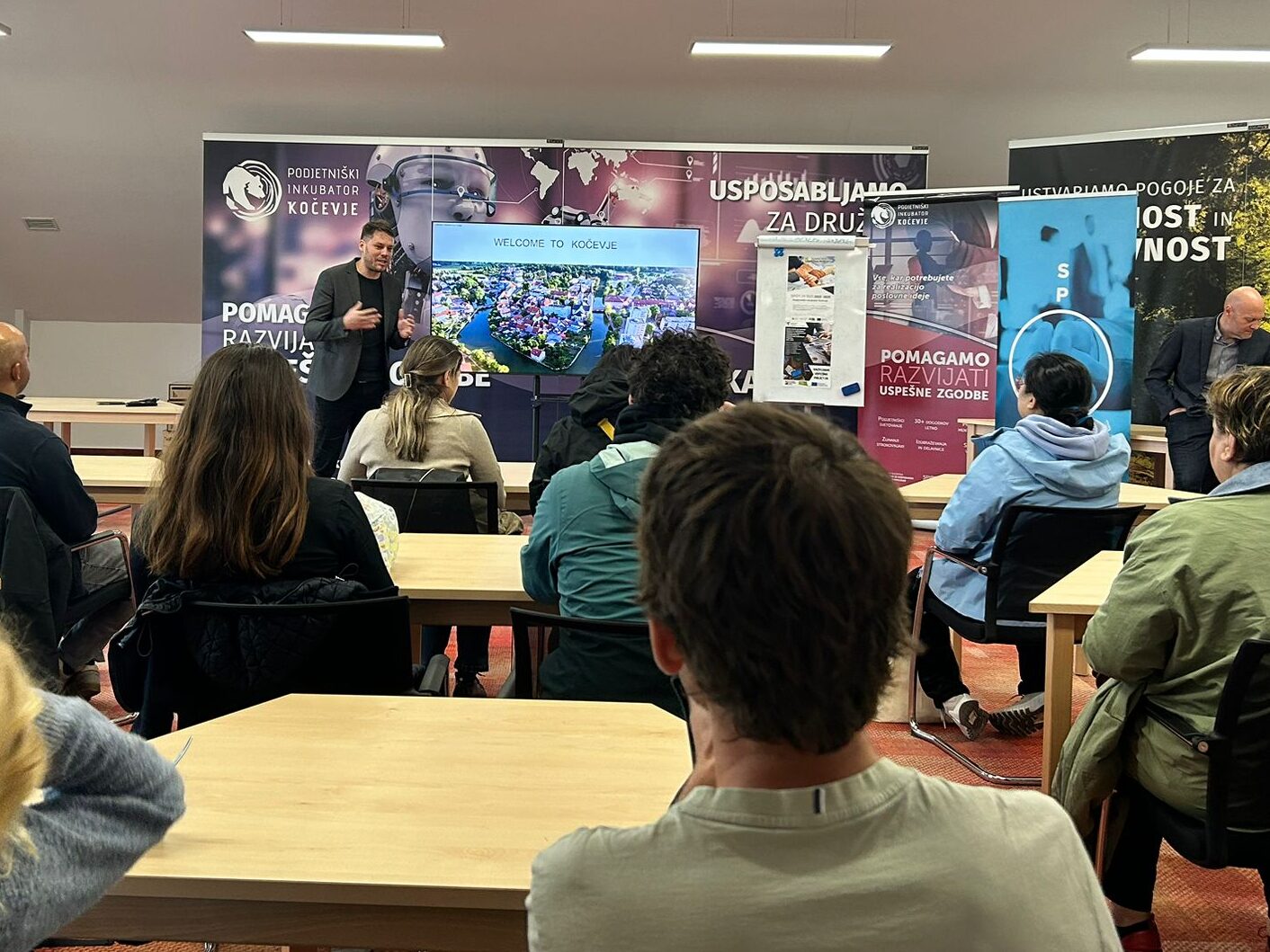
The final day was dedicated to a field excursion to the Kočevje region. Participants visited the Business Incubator Kočevje, the Slovenia Forest Service, and the protected Škrilj bunker area. The Business Incubator Kočevje is a support hub for entrepreneurs and startups in the once underdeveloped Kočevje region. Operating under the motto “Growing ideas, building futures,” it offers a range of services including business consulting, mentoring, and access to prototyping facilities. The incubator also facilitates networking opportunities and provides affordable office spaces to foster innovation and business development.
The MARGISTAR team also visited the Slovenia Forest Service (ZGS) in Kočevje, the regional unit of the public forest service responsible for management planning in the extensive forests in the southern part of Slovenia. Covering an area of 117,997 hectares, with 78.5% forested land, the unit oversees forest health, biodiversity, and sustainable management practices. Key activities include collecting forest data, developing regional hunting and silvicultural plans, and balancing the ecological, social and economic needs from forests.
In the afternoon, the group visited Kočevska Reka, a settlement situated beneath the Goteniški Snežnik mountain. With a population of just over 250 residents, it serves as a local hub amidst forests and meadows. The village has a rich history, having been originally settled by Gottschee Germans. Although a major fire in 1929 destroyed much of the village, it was later restored. During World War II, the original population was expelled, but the area has since been slowly revitalised.
A visit to Bunker Škrilj, located near the former Kočevje village of Škrilj, revealed a Cold War-era military facility built 72 meters underground. Spanning 600 meters of tunnels and six underground rooms, the bunker was designed to house up to 100 people for up to 100 days in the event of a nuclear attack. Equipped with its own water supply and power generators, it served as a communication support center for nearby military units. After decades of strict military protection, the bunker has been opened to the public for guided tours, offering a unique glimpse into Slovenia’s Cold War history and new opportunities for tourism.
The excursion continued across the Strma Reber pass to the Kolpa River valley. The road to Strma Reber was built in 2006 to shorten the distance between the remote Kolpa Valley and its outskirts and the center of the country. The construction was extremely difficult, as they had to overcome a height difference of almost 400 meters, over a straight-line distance of only 2 km. The Kolpa River valley made headlines in 2015 when barbed wire was installed along the river and around settlements to prevent illegal migrants from entering the EU at the peak of the migrant crisis.
Beyond the educational program, the Training School offered a platform for networking, knowledge exchange, and international collaboration. The event fostered meaningful discussions on future-oriented approaches to sustainable development of marginalized areas and strengthened connections among researchers and professionals from across Europe.